







 English
 Français
 Deutsch
 Italiano
 Español

Non-fiction
Technologie
 Publié le 2 déc. 2025
Mis à jour le 2 déc. 2025
Publié le 2 déc. 2025
Mis à jour le 2 déc. 2025
 4 min
4 min
Non-fiction
Technologie
Publié le 2 déc. 2025
Mis à jour le 2 déc. 2025
4 min


 Contribuer
What Is Shopify Headless and Why It’s Not Just for Tech Giants
Online shopping has changed. It’s faster, more dynamic, and spread across more channels than ever before. Your customers might first interact with your brand on Instagram, browse products in your app, and finally place an order via your website. And they expect the experience to feel seamless every step of the way.
This is where traditional eCommerce setups often fall short. They were built for a simpler world.
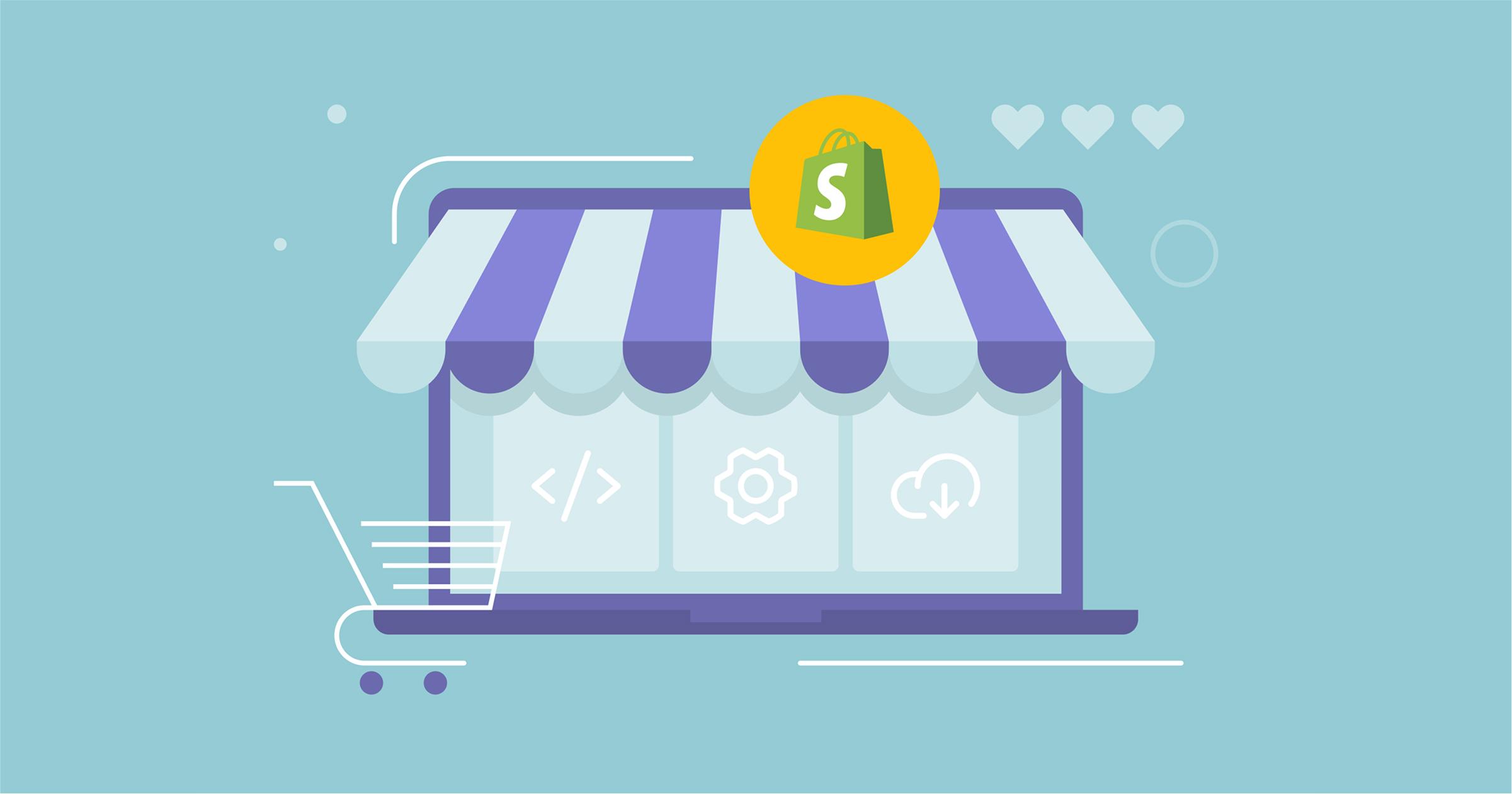
Enter Shopify Headless — a solution that gives you the freedom to build a customer experience on your own terms, while still using Shopify’s trusted backend to handle everything from inventory to checkout.
Let’s unpack what it actually means — and why it might be exactly what your store needs.
The headless concept, explained simply
With traditional Shopify, your frontend (the design, layout, and user experience) is tightly linked to your backend (where products, orders, and payments live). You pick a theme, maybe install a few apps, and you’re off and running.
That works great — until you want to do something different.
Maybe you want to:
- Redesign your site without fighting theme limitations
- Add animations, interactive product pages, or storytelling elements
- Sell across mobile apps, kiosks, or smart devices all from one backend
- Speed up page loads with modern frameworks like React or Vue
- Integrate AI-powered personalization or a custom CMS
With the standard setup, you’d hit roadblocks quickly. With Shopify Headless, you don’t.
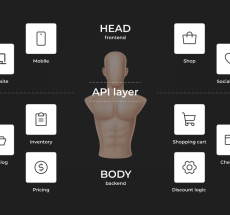
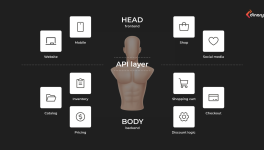
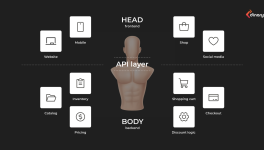
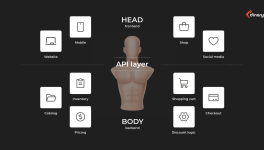
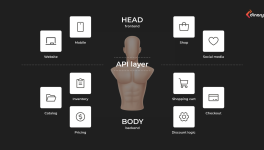
Headless architecture decouples your frontend and backend. You still use Shopify to run the engine — but you design the interface using whatever tools work best for your business.
It’s like swapping out the body of the car while keeping the same reliable engine under the hood.
Why Shopify built it
Shopify didn’t always offer headless options. But as more businesses scaled, it became clear: the one-size-fits-all model wasn’t cutting it anymore.
Brands needed:
- Total freedom in how they designed and presented their storefronts
- Tools that could scale without breaking the rest of the system
- A way to build custom features without giving up Shopify's infrastructure
Instead of losing customers to fully custom solutions, Shopify introduced a new path: go headless, stay on Shopify.
This approach blends the best of both worlds:
- Creative freedom on the frontend
- A secure, stable backend you don’t have to rebuild
- API-based flexibility for future upgrades and integrations
And it aligns perfectly with the broader movement toward composable commerce where businesses build their tech stack piece by piece, choosing the best tool for each job.
Shopify Headless vs Traditional Shopify
Here’s how they stack up:
Feature — Design & Layout
Traditional Shopify — Theme-based, with limitations
Shopify Headless — Fully customizable, any framework
Feature — Sales Channels
Traditional Shopify — Mostly web-based
Shopify Headless — Web, mobile apps, kiosks, marketplaces
Feature — Page Speed
Traditional Shopify — Depends on theme & app load
Shopify Headless — Optimized through modern tech (React, Vue)
Feature — Checkout Customization
Traditional Shopify — Limited (except Shopify Plus)
Shopify Headless — Full control (Shopify Plus only)
Feature — Integrations
Traditional Shopify — App Store ecosystem
Shopify Headless — API-first, custom integrations possible
Why it’s not just for the big guys
Let’s clear something up: headless commerce sounds advanced but it doesn’t mean it’s only for Fortune 500 brands. More and more mid-sized businesses are going headless with Shopify because they’ve hit a wall:
- Their storefront is too slow
- Their themes can't keep up with branding needs
- They want to add features that apps can't deliver cleanly
- They’re planning for international expansion and need flexibility
Headless gives them the space to grow without abandoning the Shopify backend that already works for their business.
The big takeaway
Shopify Headless is about control. Control over your site’s look, speed, features, and future.
You still get everything Shopify does best: product management, order handling, secure payments; but now, you get to design your storefront exactly the way you want it. Across any channel, any device, any design language.
It’s not just for tech giants. It’s for any business that’s outgrown cookie-cutter solutions and wants to build something better.






 Technologie

















 Tu peux soutenir les auteurs qui te tiennent à coeur





Commentaire (0)