


 English
 Français
 Deutsch
 Italiano
 Español


Non-fiction
Tecnología
 Publicado el 14, jul, 2026
Actualizado 14, jul, 2026
Publicado el 14, jul, 2026
Actualizado 14, jul, 2026
 5 min
5 min

Non-fiction
Tecnología
Publicado el 14, jul, 2026
Actualizado 14, jul, 2026
5 min



Copywriter, political activist, former and aspiring local politician. Based in the Netherlands, writ...
 Creative Transparency Label
 All audiences
 Image /
Human image
Image /
Human image
 Text /
Human creation
Text /
Human creation
 Colaborar
Proton: Europe's answer to big tech?
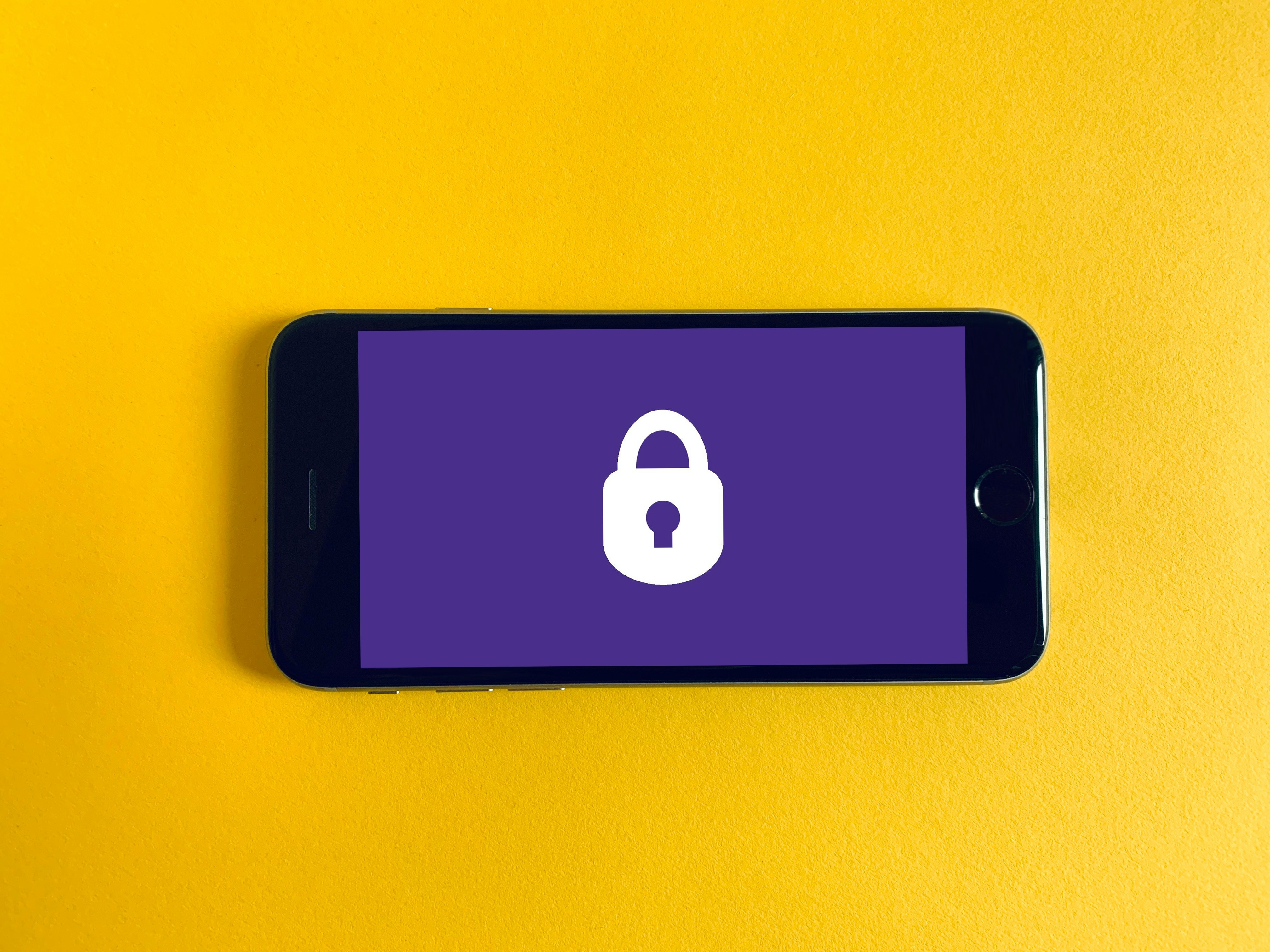
Cover photo by Henrique Ferreira on Unsplash.
If you've spent any time at all trying to disentangle yourself from the world of US big tech, there's a good chance you've come across Proton.
Swiss, privacy focused, and offering a lot of the advantages of an integrated big tech platform, it sounds like the perfect solution to Europe's dependency on US-based digital services. But is it?
I've been using Proton for a year and a half and counting, and this is what I've found out.
What is Proton?
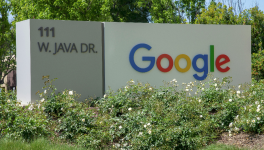
Based in Geneva, Proton is a digital platform that offers a lot of the same integration and convenience as Google. Email, Cloud storage, photo storage, calendar, docs, password manager, and even their own AI chatbot (named Lumo, in case you were wondering).
What sets Proton apart, though, is that it positions itself as a champion of online privacy, and the antidote to Google's insatiable hunger for your data.
But is it any good?
Honestly, yeah, it's pretty good. The email service works seamlessly, the drive/photos backup from my phone works well most of the time (every once in a while I need to prompt it to sync, for whatever reason), and the calendar, docs, etc, are just as user-friendly as their Google counterparts.
A VPN is also a part of the package, which I hadn't routinely used before, but I like it and it works seamlessly in the background. What's more, the Proton Pass password manager also allows you to create alias email addresses that forward to your real one, so you can use an alias email address when online shopping or similar, and simply deactivate it if there's a data breach or other problem. A nice feature that I didn't know I needed until I had it!
But what's the catch?
There is a saying, "if you aren't paying for the product, you are the product". In the case of Proton, you aren't the product, but that means you're paying for it. A fair trade in return for privacy, in my opinion, but I can appreciate that many people are so used to things like free email accounts, it seems pretty alien to pay for one.
Proton does have a free plan, but I wanted to replace my Google Drive and OneDrive storage (which I was also paying for) so I opted for Proton unlimited, which comes in at a little under 120 Euros per year. A little bit of a luxury, perhaps, but a worthwhile one if you value your privacy online.

Photo by GuerrillaBuzz on Unsplash.
Anything else?
There's plenty of discussion about the virtues and downsides of Proton online. Some are concerned that changes in Swiss privacy rules might prompt the company to relocate to elsewhere in Europe, some are critical that the company isn't a non-profit (it's main shareholder is, but the company itself isn't), some believe the founder and CEO is too closely linked to the US (he studied there), and some just don't think it's a good idea to put all your digital eggs in one basket.
None of these are a deal-breaker for me, but you'll have to make your own values judgement and act accordingly.
Conclusion
There are some things about Google that I miss. The fact I can search "cat" on Google Photos and see every photo I've ever taken of a cat is pretty cool, but it means that Google is scanning and cataloguing all of my photos, which is...less cool.
Convenience is what tech companies offer us in return for our agreement to let them know everything about us and our online behaviour. To me, it feels like we're selling ourselves cheaply, and that's why it's worth making the effort to find more secure alternatives, backed up by European data protection and privacy standards.
Proton isn't perfect, either as a company or as a software package, but it's a viable, reliable, user-friendly alternative to the likes of Google. If that's what you're looking for, then I'd say it's worth giving Proton a shot.
Intellectual property & credits

© Cover Image
Henrique Ferreira

© Author's name / pen name
Jeremy Bellamy

© Other images in your text
Franck, GuerrillaBuzz
Creative Commons license

Attribution required, commercial
use permitted CC BY
use permitted






 Tecnología
















 Puedes apoyar a tus escritores favoritos







Comentario (0)